
DISCLAIMER: The information on this page is for general education only and should not be used as a substitute for professional assessment or personalised clinical advice. If you have concerns about speech, language, voice or swallowing, speak with a qualified speech pathologist or appropriate healthcare professional.
While speech pathologists in Australia can diagnose communication and swallowing disorders, they cannot diagnose underlying medical conditions like stroke, Parkinson’s disease or cancer. Medical diagnosis belongs to doctors and medical specialists. What speech pathologists do is identify, assess and treat how a condition affects the way you speak, understand, read, write, eat or drink.
This distinction matters. It affects who you see first, what a referral looks like, and what you can expect from a speech pathology assessment. Here is how it works.
What Can Speech Pathologists Diagnose?
Speech pathologists can formally diagnose disorders within their scope of practice: communication and swallowing difficulties. These are clinical diagnoses, made through assessment, observation and standardised testing.
Common diagnoses include:
- Speech sound disorders, such as articulation difficulties or childhood apraxia of speech
- Developmental language disorder, where a child has persistent trouble understanding or using language
- Stuttering (fluency disorders)
- Voice disorders, such as hoarseness or vocal strain
- Aphasia, a language difficulty that often follows stroke or brain injury
- Dysarthria, where weak or uncoordinated muscles affect speech clarity
- Dysphagia, meaning difficulty swallowing food, drink or saliva
- Cognitive-communication disorders, which affect memory, attention and conversation after brain injury or in dementia
A speech pathologist might tell you, “You have a speech sound disorder” or “You have moderate dysphagia.” They would not tell you, “You have Parkinson’s disease.” That is a medical diagnosis, even when the speech difficulty was the first sign.
Why Can't Speech Pathologists Diagnose Medical Conditions?
Medical diagnosis requires medical training, and in Australia it sits with doctors such as GPs, paediatricians, neurologists and ear, nose and throat (ENT) specialists. Diagnosing a condition like a stroke or a tumour often involves blood tests, imaging, physical examination and medical history. These fall outside speech pathology training and scope.
Speech pathology is a university-qualified allied health profession. Speech pathologists complete a degree focused on human communication, swallowing, and how they break down. In Australia, the profession is self-regulated through Speech Pathology Australia, which sets the standards for Certified Practising Speech Pathologists (CPSP).
This isn’t a limitation so much as a division of expertise. Doctors work out why something is happening. Speech pathologists work out what is happening to communication and swallowing and what to do about it.
What Do Speech Pathologists Do When They Suspect a Medical Condition?
When a speech pathologist suspects an underlying medical cause, they document what they’ve found and refer you to the right medical professional. They don’t leave it with a vague “see your doctor.”
A typical process looks like this:
- 1. Assessment. They observe and test your speech, language, voice or swallowing.
- 2. Recognising red flags. Signs like a sudden change in speech, unexplained choking, a persistently hoarse voice, or loss of skills in a child can point to something medical.
- 3. Referral. They recommend you see your GP, or refer to a paediatrician, neurologist, ENT, audiologist or other specialist, depending on what they've seen.
- 4. Reporting. They share assessment results with the doctor, which helps the medical team reach a diagnosis faster.
- 5. Ongoing collaboration. Therapy often continues alongside medical care, with the speech pathologist updating the team on progress.
Can Speech Pathologists Diagnose Autism, ADHD or Dyslexia?
Not on their own in most cases. Speech pathologists contribute to these assessments, but the formal diagnosis typically comes from other professionals or a multidisciplinary team. This is one of the most common areas of confusion for families.
For autism, Australian guidelines support diagnosis by a paediatrician, psychiatrist or psychologist, or a multidisciplinary team. A speech pathologist is often a valued member of that team, because they assess social communication, language and play. Their report can be an important part of the evidence.
For ADHD, diagnosis is a medical and psychological process and sits with doctors and psychologists. A speech pathologist may notice attention or language difficulties and flag them, but they don’t make the diagnosis.
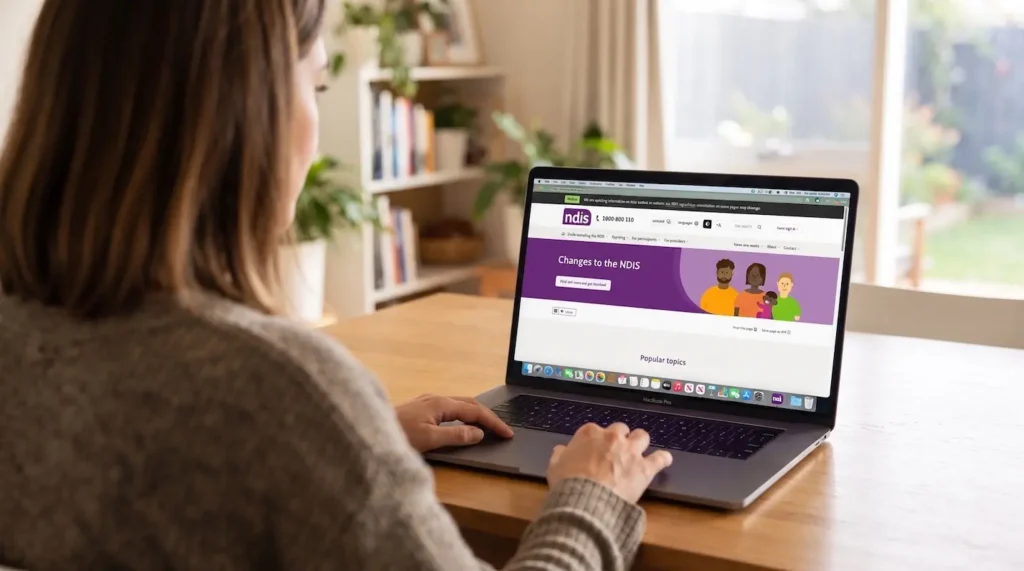
For dyslexia and literacy difficulties, speech pathologists can assess reading, spelling and the language skills behind them, and can diagnose language-based literacy difficulties. A psychologist may also be involved, depending on the type of report you need (for example, for school or NDIS purposes). Requirements vary, so it’s worth checking what your school or funding body accepts.
What Medical Conditions Can Speech Pathologists Treat?
Speech pathologists don’t treat the medical condition itself, but they treat the communication and swallowing difficulties it causes. The medical condition is managed by your doctor, and speech pathology works alongside it.
| Medical Condition | How Speech Pathology Helps |
|---|---|
| Stroke | Rebuilding language (aphasia), speech clarity and safe swallowing |
| Parkinson's disease | Voice volume, speech clarity and swallowing safety |
| Head and neck cancer | Speech, voice and swallowing before and after treatment |
| Traumatic brain injury | Memory, attention, language and communication skills |
| Dementia | Communication strategies, cognitive-communication and mealtime safety |
| Motor neurone disease | Speech support, communication devices and swallowing management |
| Cerebral palsy | Speech, communication aids and feeding support |
| Down syndrome | Early language development, speech clarity and feeding |
| Cleft lip and palate | Speech sound development and resonance |
| Hearing loss | Spoken language development and listening skills |
For adults, this often means support after a health event or alongside a progressive condition. If you’re wondering whether therapy is relevant for you, see our guide on adults and speech therapy and visit our speech therapy for adults service page.
Do You Need a Referral to See a Speech Pathologist?
In most cases, no. You can book directly with a private speech pathologist without a GP referral. A referral can still be useful, particularly if a medical cause is suspected, or if you want to use Medicare-subsidised allied health items.
A GP referral may help if:
- You've had a sudden change in speech, voice or swallowing
- You're accessing a GP Management Plan for a chronic condition, which may provide Medicare rebates for some allied health visits
- A specialist wants to be involved from the start
For NDIS participants, funding is based on your plan. Our NDIS guide for parents and for adult participants explain how speech therapy can be funded and what reports you may need.
When Should You See a Speech Pathologist?
See a speech pathologist if you or your child has ongoing difficulty speaking, understanding, reading, writing, or swallowing safely. Early support usually leads to better outcomes, and you don’t need to wait for a diagnosis from a doctor first.
Consider booking an assessment if:
- Your child isn't meeting speech or language milestones
- Speech is hard for others to understand
- You or a family member struggles to find words after a health event
- Your voice is regularly hoarse or strained
- Eating or drinking leads to coughing, choking or avoiding foods
Getting Help
If you have questions about a communication or swallowing difficulty, a speech pathology assessment can help you better understand what may be contributing to the difficulty and what support may be appropriate. When you’re ready, the team at Brighter Futures Allied Health is here to help.
William Huynh is a senior speech pathologist and the director of NDIS-registered provider Brighter Futures Allied Health. He has over a decade of experience working with children and adults with complex communication needs, including disability, dysphagia, and acquired language impairments. William has completed specialist training in approaches such as Key Word Sign, LAMP Words for Life, Grid 3, and Hanen’s More Than Words. He also supervises speech pathologists and student placements, supporting evidence-based and family-centred practice.