
Our SPA-certified speech pathologists work with Sydney patients across different life stages, diagnoses, and funding.

5.0
Google Reviews
Find support that fits your needs.
The best speech pathologist for one person may not be the best fit for another. Often, the right choice comes down to finding a clinician who has the right qualifications, relevant experience, accessible funding options, and a therapy setup that works for your everyday life.
When comparing speech pathologists, it can help to look at their training, professional registration, and ongoing commitment to evidence-based care.
Consider whether the speech pathologist:
Speech pathology is a broad field, and many clinicians develop experience in particular areas. Finding someone familiar with your specific concerns can make therapy feel more targeted and relevant.
You may wish to consider whether they have experience with:
Therapy is often most effective when it is consistent, so practical access to funding and support pathways can make a meaningful difference over time.
It may help to check whether the clinic:
Even highly regarded therapy may become difficult to maintain if appointments are hard to access or do not fit into everyday life. Practical considerations are often just as important as clinical expertise.
Some families look for clinics that offer:
Not sure where to start?
Let’s explore support options together
Asking thoughtful questions can help you get a sense of whether their communication style, therapy approach, and level of support feel like the right fit for you or your child.
You may wish to ask questions such as:
The answers to these questions can often tell you more about the therapy experience than a simple checklist of qualifications. A good fit usually feels collaborative, supportive, and realistic for everyday life.
Finding the best speech pathologist often means finding a team that combines clinical knowledge with practical, family-centred support. At Brighter Futures Allied Health, we focus on creating therapy experiences that feel collaborative, flexible, and tailored to the needs of each individual and family.
Our speech pathologists are Certified Practising Speech Pathologists (CPSPs) with Speech Pathology Australia, and our clinic is NDIS-registered. This helps give families confidence that services align with recognised national standards for quality, safety, and professional care.
Our team supports patients of all ages for a wide range of communication, language, feeding, swallowing, and neurological concerns. This includes experience working with complex developmental and disability-related conditions requiring coordinated, individualised support.
We offer in-clinic, mobile, and telehealth speech therapy options to help make support more accessible and practical for families. Therapy recommendations are tailored to each person’s goals, routines, and comfort level wherever possible.
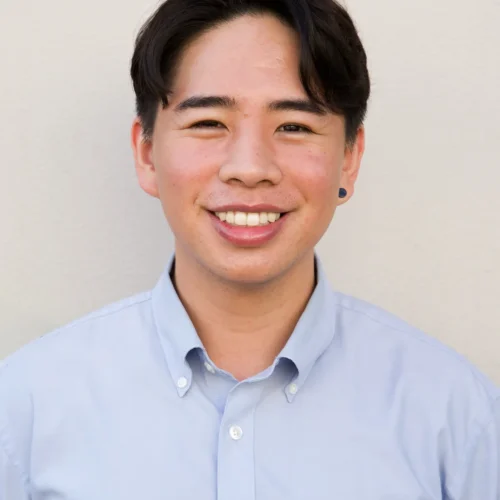
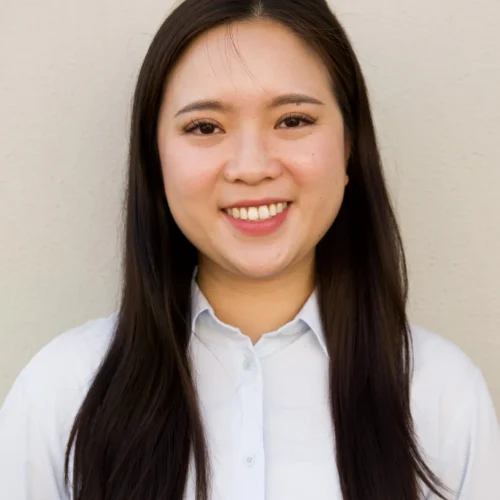
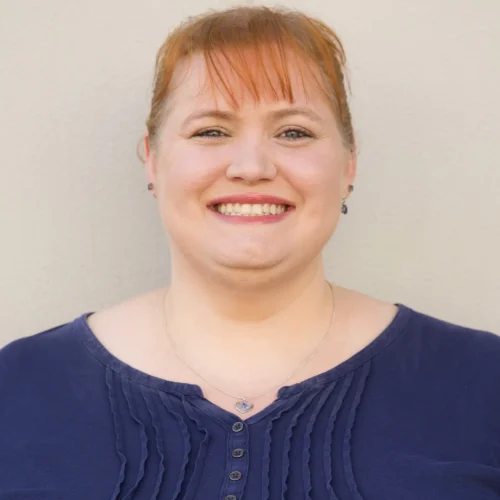
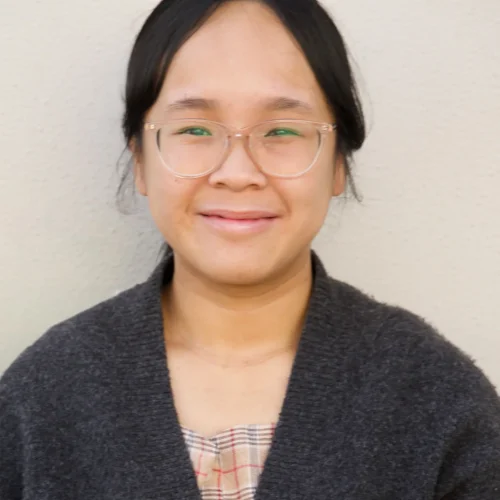
Book your first speech pathology session
Contact us today to schedule an appointment or to learn more about our services. Simply request an appointment via phone or contact form on our website.
A speech pathologist helps people with communication, language, speech, voice, fluency, feeding, and swallowing difficulties. Support may involve helping a child develop clearer speech, assisting someone after a stroke, or improving confidence and participation in everyday communication. Therapy is usually tailored to the individual’s age, goals, and daily routines rather than using a one-size-fits-all approach.
In Australia, speech pathologists typically complete a university degree in speech pathology and may become Certified Practising Speech Pathologists (CPSPs) through Speech Pathology Australia. Many also complete additional training in areas such as autism, feeding therapy, literacy, neurological conditions, or augmentative communication. Ongoing professional development is important, as speech pathology covers a wide range of age groups and clinical needs.
Some warning signs may include therapy that feels rushed, unclear explanations about goals or progress, or recommendations that do not seem tailored to the individual’s needs. It can also be concerning if families are not included in discussions about therapy strategies, or if practical support for home, school, or daily life is limited.
A good speech pathologist should communicate openly, explain recommendations clearly, and create a supportive environment where questions and concerns are welcomed. Therapy should feel collaborative and personalised rather than overly rigid or one-size-fits-all.
Speech pathology fees in Sydney can vary depending on the clinic, therapist experience, appointment length, and whether services are provided privately, through the NDIS, or under Medicare-supported plans. Many private speech therapy sessions in Sydney commonly range from around $180 to $250 per session, particularly for longer or specialised appointments.
At Brighter Futures Allied Health, standard speech pathology sessions are currently priced at $205 for a 45-minute face-to-face session with administration included, while extended 60-minute sessions are priced at $253.50. Fees may vary depending on the type of support required.
The first step is usually an initial assessment or consultation. This helps the speech pathologist understand the person’s communication strengths, challenges, goals, and day-to-day needs. From there, they can recommend whether therapy may help, what areas to focus on, and what support options may be most appropriate moving forward.