DISCLAIMER: The information on this page is intended as general guidance only and should not replace professional medical advice, diagnosis, or treatment. If you have concerns about your child’s development or behaviour, speaking with a qualified healthcare professional is recommended.
A 2-year-old may need speech therapy if they are not yet combining two words, have a very small vocabulary, struggle to follow simple instructions, or are hard to understand even for family. You don’t have to wait for a certain age or for a “definite” problem. If you’re concerned, an assessment can tell you whether your child is on track and what, if anything, would help.
This guide covers the signs that matter most at two, what speech therapy for a toddler looks like, and what you can do at home. For a full list of typical skills at this age, see our Developmental Milestones for 2-Year-Olds page.
What Are The Signs a 2-Year-Old Might Need Speech Therapy?
The strongest signs relate to how your child talks, understands and interacts. Consider booking an assessment if your 2-year-old:
- Uses fewer than about 50 words, or is mostly using single words
- Isn't yet putting two words together (such as "more milk" or "daddy go")
- Doesn't seem to understand simple, everyday instructions like "give me the ball"
- Doesn't imitate words, sounds or actions
- Uses few gestures, such as pointing, waving or showing you things
- Is very hard to understand, even for parents and regular carers
- Shows little interest in playing or interacting with you
Many 2-year-olds use around 50 or more words and are starting to combine them, but vocabulary varies widely at this age. Understanding matters as much as talking, so a child who follows instructions well but says few words is a different picture from one who is quiet across the board.
Any one of these signs is worth a conversation. Several together are a stronger reason to act sooner.
When to Seek Urgent Help
See your GP or child health nurse promptly if your child loses words or social skills they previously had, at any age. The same applies if they don’t respond to their name or to sounds, or if you have concerns about their hearing.
Hearing is worth checking early whenever there’s a speech or language concern. Ear infections and fluid behind the eardrum can make it harder for a toddler to hear speech clearly, which can affect how they learn to talk.
Is It Normal For a 2-Year-Old to Not Talk Much?
Some toddlers start talking later than others and catch up without any support, so a quiet 2-year-old isn’t automatically a cause for alarm. The difficulty is that at age two there’s no reliable way to tell which “late talkers” will catch up and which will continue to struggle. Some will go on to have a language difficulty such as developmental language disorder.
Late talking can also sit alongside other differences in communication, including autism. That’s why “wait and see” is no longer the usual advice. Early support can be helpful whether or not your child would have caught up anyway.
Children who are more likely to need support include those who:
- Understand less than you'd expect, not just talk less
- Use few gestures
- Have a family history of speech or language difficulties
- Don't play with toys or imitate everyday actions
A child who understands a lot, gestures, plays and interacts well, and simply has fewer words is generally less of a worry. A speech pathologist can help you tell the difference.
What Does Speech Therapy Look Like For a 2-Year-Old?
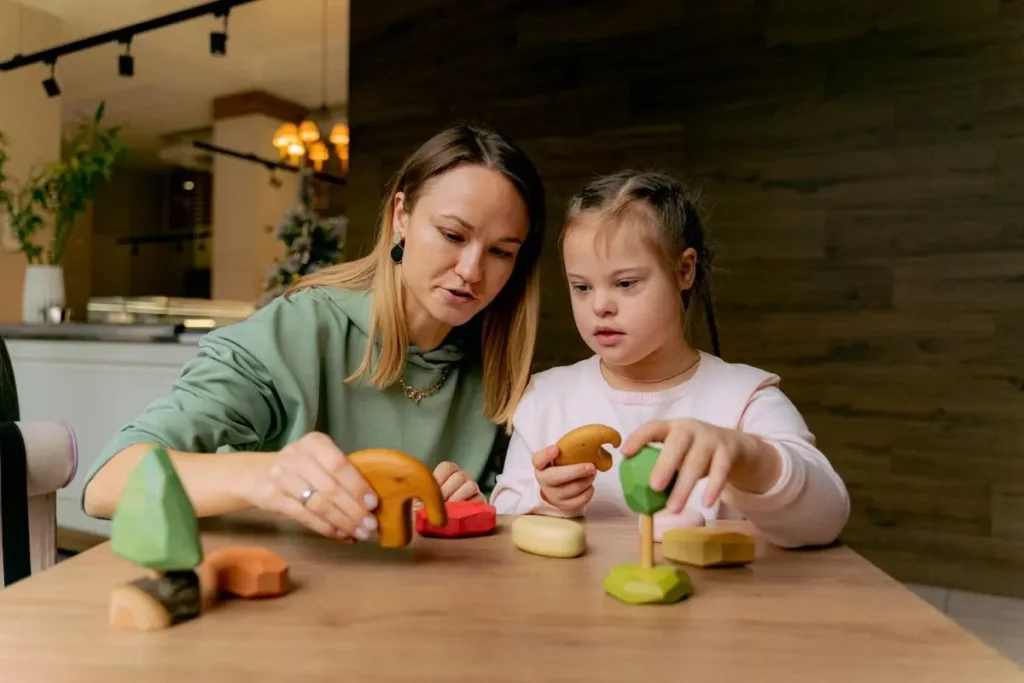
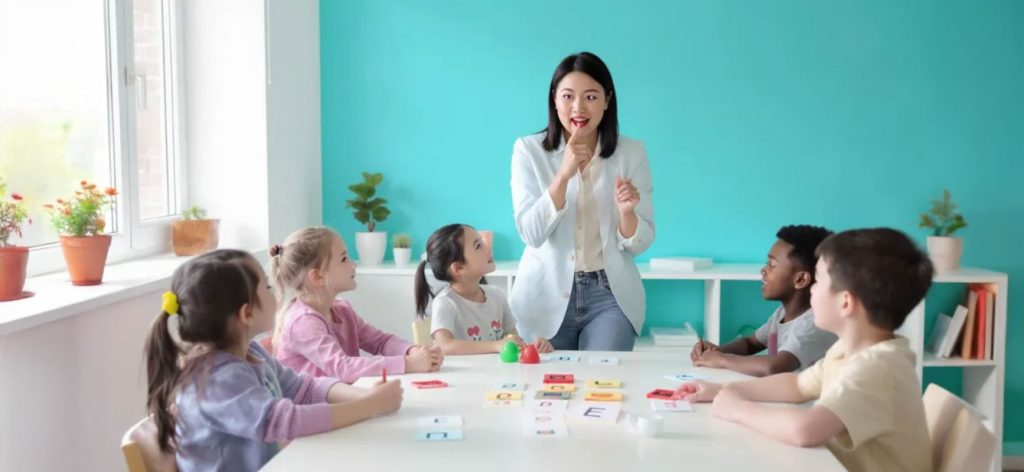
Speech therapy can help a 2-year-old, and toddlers tend to respond well because it’s play-based and involves you. Sessions look like playing, reading books and sharing everyday routines, not sitting at a table doing exercises. A two-year-old learns through play, so that’s where the therapy happens.
1. Assessment
The speech pathologist talks with you about your child’s development, hearing, and how they communicate at home. They watch your child play and observe how they understand and use words, gestures and sounds. You’ll leave with a clear picture of your child’s strengths and what to work on.
2. Goals set with your family
Goals are practical and tied to your child’s daily life, such as asking for things with words, combining two words, or following simple instructions.
3. Play-based sessions
Sessions use toys, books, songs and routines your child already enjoys. The speech pathologist models language and builds back-and-forth interaction, and the child stays engaged because it feels like play.
4. Parent and carer coaching
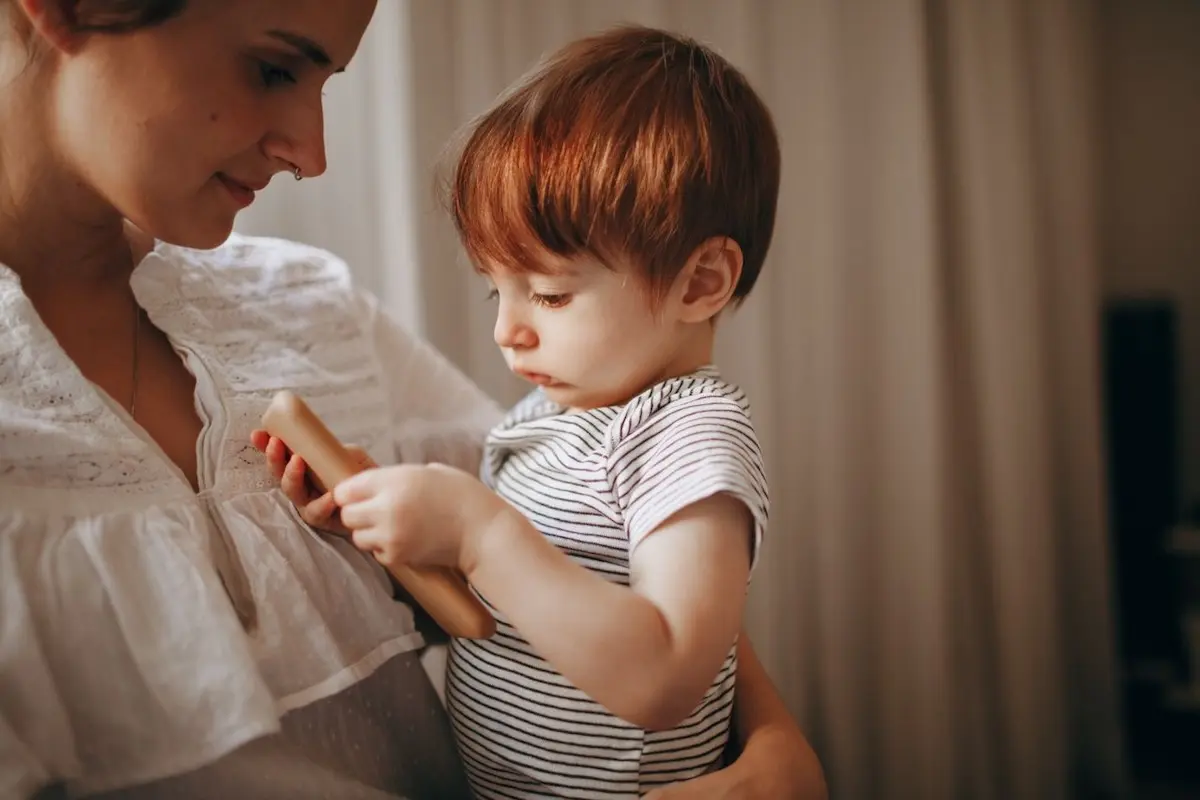
This is the most important part. Your child spends far more time with you than with a therapist, so you’ll learn strategies to use in everyday moments such as mealtimes, bath time and play. Therapy works best when carers feel confident to carry it over at home.
5. Gestures and sign, when helpful
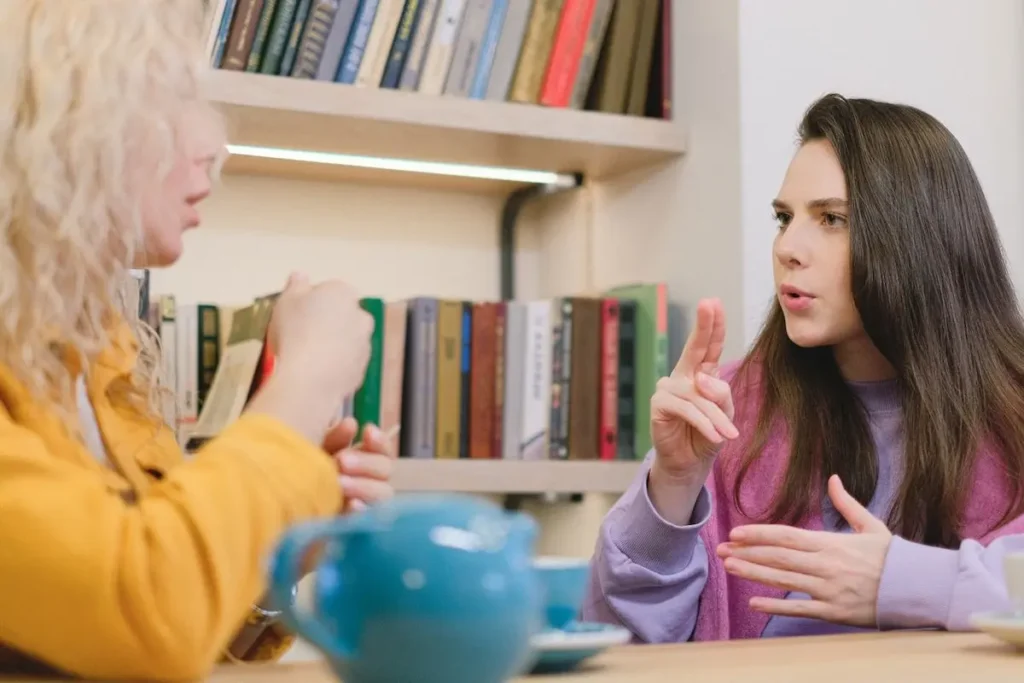
Where it suits the child, a speech pathologist may use gestures or simple signs alongside spoken words. This is a bridge, not a replacement for speech. It reduces frustration and gives your child a way to be understood while words develop.
How Can I Help My 2-Year-Old Talk at Home?
- Add one more word. If your child says "car", you say "big car" or "car go". Keep your phrases just one step longer than theirs, so they're not too hard to copy.
- Pause and wait. After you speak or ask a question, count to five silently and look at your child expectantly. Toddlers need extra time to process and respond, and silence gives them space to try.
- Talk about what you're doing. Describe the moment as it happens: "Mummy is washing, wash wash wash." Use short sentences, and repeat key words often.
- Offer choices. Holding up two items and asking "milk or water?" gives your child a reason to communicate and a model of the words to use.
- Read together every day. Look at pictures, point, name things and let your child turn the pages. You don't have to read the words on the page. Talking about the pictures is just as valuable.
- Play and imitate. Copy your child's sounds and actions, then add a word. Take turns with toys, songs and games like peekaboo.
- Avoid pressure. Try not to ask your child to "say" a word on demand, and avoid correcting them. Instead, repeat the word correctly and keep the conversation going. If they say "ba" for ball, you say "Yes, ball! Big ball."
- Be mindful of screens. Toddlers learn language best from real, back-and-forth interaction. Time with you is worth far more than time with a screen.
These strategies will help most children, whether or not they end up needing therapy. If you’ve been trying them for a few weeks and are still worried, that’s a good time to get advice.
Next Steps
If you’re worried about your 2-year-old’s speech or language, you don’t have to work it out alone. A conversation or assessment can give you clarity and a plan. We see children across South Western Sydney through our clinics, at home and online.
William Huynh is a senior speech pathologist and the director of NDIS-registered provider Brighter Futures Allied Health. He has over a decade of experience working with children and adults with complex communication needs, including disability, dysphagia, and acquired language impairments. William has completed specialist training in approaches such as Key Word Sign, LAMP Words for Life, Grid 3, and Hanen’s More Than Words. He also supervises speech pathologists and student placements, supporting evidence-based and family-centred practice.